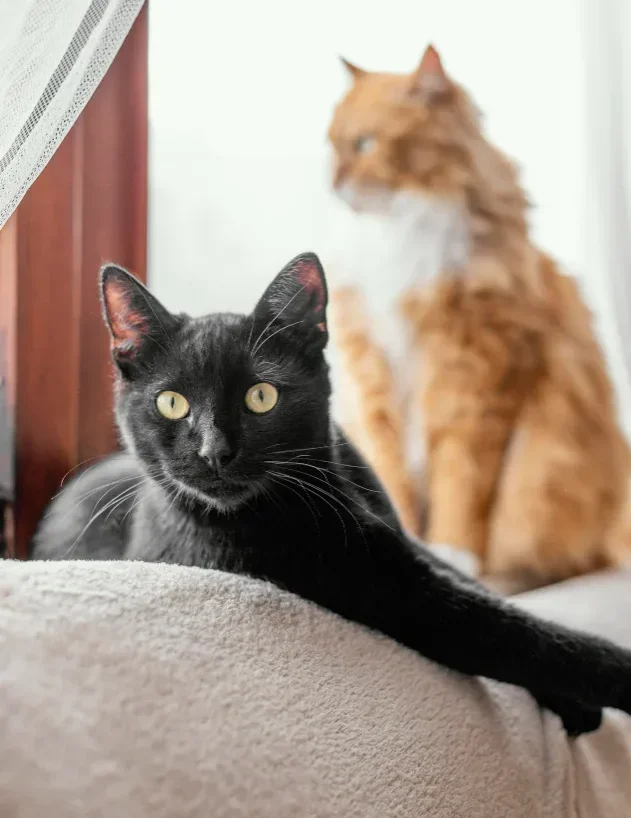

Helping Pip Rest Comfortably Again
Diagnostics
When a pet becomes unwell, having the right information can make all the difference.
At True Companion Vets, our diagnostic services help us investigate symptoms, assess health concerns and better understand what may be affecting your pet. By combining modern diagnostic technology with clear communication and personalised care, we aim to provide answers that help owners feel informed and confident about the next steps.
Some concerns can be identified through a physical examination, while others may require additional testing to build a clearer picture of what is happening beneath the surface. Our role is to guide you through the process, explain your options and help you make decisions that are appropriate for your pet and your circumstances.
“Every pet and every family is different. My job is to help people understand their options so they can make the right decision for their pet.”
Dr Cyrus So | Founding Director & Veterinarian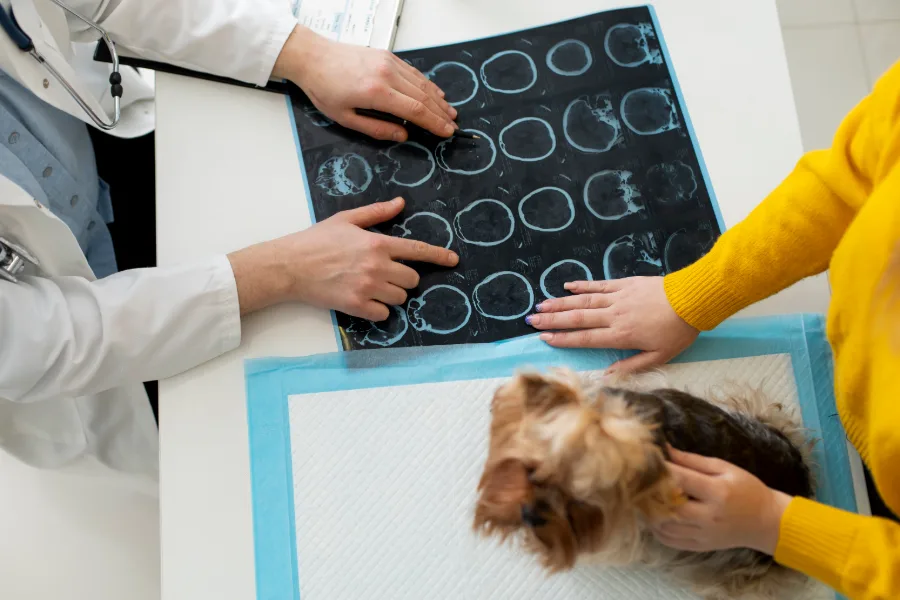
Radiology, commonly known as X-ray imaging, allows us to examine structures inside the body that cannot be assessed solely by physical examination.
X-rays can provide valuable information about bones, joints, the chest and the abdomen. They are often used when investigating injuries, mobility concerns, breathing issues, digestive problems, and other health conditions that require a closer look.
X-rays are only one part of the diagnostic process. We interpret every image alongside your pet’s examination, history and any laboratory results to build the clearest possible understanding of what is happening.
Diagnostic imaging plays an important role in investigating a wide range of health concerns.
Imaging can provide valuable information when symptoms are unclear or when further assessment is needed to better understand an injury, illness or ongoing health problem. By combining imaging results with your pet’s history, physical examination findings, and other diagnostic information, we can develop recommendations tailored to your pet’s individual needs.
Clear communication remains an important part of the process. We explain what the results mean, answer questions and discuss practical options so you can make informed decisions for your pet with confidence.

In-house laboratory testing enables us to perform a range of diagnostic tests in the clinic.
Having on-site testing available can provide timely information when investigating illness or monitoring a pet’s health. These results often contribute important information that supports clinical decision-making and helps us better understand your pet’s condition.
Laboratory testing is frequently used alongside physical examinations, imaging and other diagnostic tools to provide a more complete understanding of your pet’s health.
Blood tests can provide valuable insight into how your pet’s body is functioning and may help identify changes that are not visible from the outside.
They are commonly recommended when investigating illness, monitoring ongoing conditions or assessing a pet’s health as part of a broader diagnostic work-up. Blood testing can also help provide additional information when symptoms are vague or when multiple possible causes need to be considered.
We understand that diagnostic testing can sometimes feel overwhelming. Our team will explain why a blood test has been recommended and how the results may assist with decision-making.
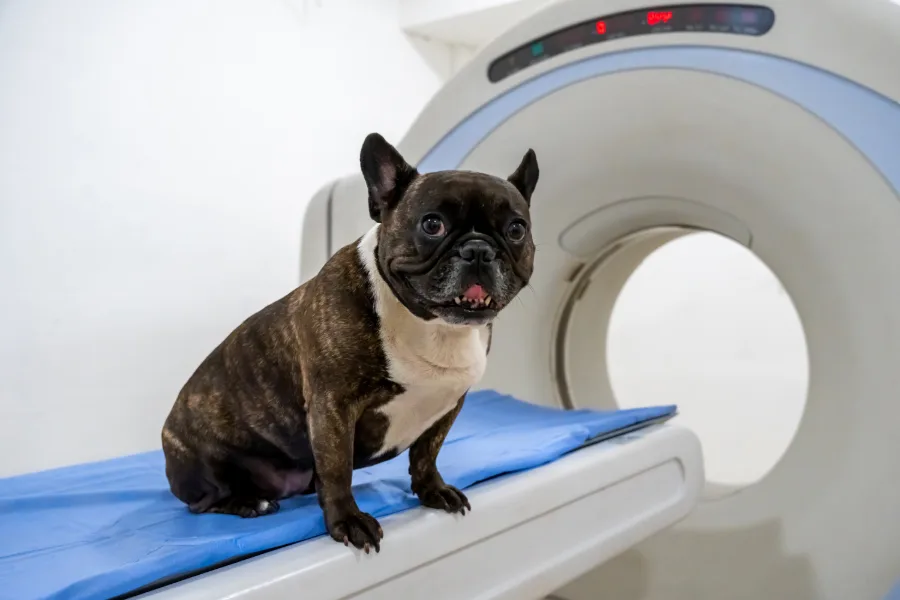
CT imaging provides detailed cross-sectional images that can offer additional information when more advanced investigation is required.
As part of our commitment to providing high-quality veterinary care close to home, CT imaging can be particularly valuable when investigating complex orthopaedic problems, some neurological conditions, nasal disease and other situations where additional detail may influence diagnosis or treatment planning.
When CT imaging is recommended, we will discuss the reasons for the test, what to expect and how the information may contribute to your pet’s care plan.
Diagnostic testing is ultimately about gaining information that helps guide care.
At True Companion Vets, we believe owners should feel supported throughout the process. We take the time to explain findings clearly, answer questions and discuss practical options so you can make informed decisions for your pet with confidence.
If you are concerned about your pet’s health, our team is here to help. Appointments can be booked by phone, email or online.
Explore practical pet care advice, preventative health information and expert insights to help you make informed decisions and support your pet’s health and wellbeing through every stage of life.
Living in an apartment doesn't mean your pet can't enjoy a healthy and fulfilling life. Discover practical tips for exercise, enrichment and creating a pet-friendly home environment.
Dental disease affects most pets at some point in their lives. Learn the signs to watch for, why dental care matters and how you can protect your pet's long-term health.
One of the most common questions I hear from cat owners is, "My cat never goes outside. Do they still need vaccinations and regular check-ups?" It's an understandable question.
Every pet has their own story, and every health journey is different. Here, we share some of our real patient stories, from unexpected diagnoses and hidden health problems to successful recoveries and life-changing treatments.


I came to have my dog spayed and it was very reassuring to have the whole process explained to me, as it’s my first time having pets and I was quite nervous. They also explained what steps to take at home to make the recovery as comfortable and pleasant as possible for my pet. I felt very calm with the care they gave my fur baby.
My cat Luna always very scared at vet. Doctor and nurse very gentle and give her time to calm down. My English not very good, but doctor explain everything slowly and make sure I understand. I feel much less worried. Thank you!
My dog had been itchy for quite some time, chewing on his paws and having some irritated skin. We went to the vet, and they explained that there could be several causes, from environmental allergies to dietary issues or other skin conditions. They offered us different options to investigate the cause while we monitored the symptoms. We started the recommended treatment and some at-home care measures. I especially appreciated that they looked for the underlying cause and didn’t just try to temporarily relieve the itching, as I had given up trying unnecessarily numerous products that didn’t help. Thanks to them, we finally identified the real problem.
My dog started shaking his head a lot and scratching one of his ears. He also had crusty skin inside his ear. At the vet clinic, they examined his ear and explained that he had otitis. They offered to clean it and use the specific treatment for the infection, also explaining that it was important to monitor his progress to prevent it from becoming a recurring problem. They also explained how to properly clean his ear and what symptoms should prompt me to return for a follow-up appointment. The treatment worked very well, and he stopped bothering himself within a few days.
I took my cat to the vet because he’d been trying to urinate for hours and couldn’t. At the clinic, they told us he had an obstruction and would first try to fix it with a catheter, but it wasn’t enough and he was obstructed again a few weeks later. They finally had to operate to prevent the problem from recurring. He was hospitalized for a few days, and then they gave us medication and feeding guidelines. We were quite upset that we hadn’t realized his condition sooner, but the operation went well, and now he’s perfectly fine. The staff was very kind and reassured us by letting us know that this problem is more common in cats than it seems and that we shouldn’t feel guilty. We’re very happy with the outcome of the treatment and the care they gave my cat throughout the entire process.
The vet showed us Coco’s dental images and explained exactly which teeth were causing the problem. We received updates throughout the day and clear instructions when we took her home.
Diagnostic testing helps us gather information when symptoms, injuries or health concerns cannot be fully understood through a physical examination alone. The type of testing recommended will depend on your pet’s condition, medical history and individual circumstances.
Radiology can help investigate a range of concerns involving bones, joints, the chest and the abdomen. X-rays are often used to assess injuries, mobility issues, breathing concerns, and other conditions in which internal structures need to be evaluated.
Not always. Blood tests are recommended when they are likely to provide useful information about your pet’s health or help investigate specific symptoms. Recommendations are based on your pet’s individual situation rather than a one-size-fits-all approach.
Both are diagnostic imaging tools, but they provide different types of information. CT imaging creates detailed cross-sectional images and may be recommended when additional detail is needed to better understand a health concern.
The timing depends on the type of test being performed and the reason it has been recommended. During your consultation, we will explain what to expect and discuss when results are likely to be available.
Yes. Reassuring communication is an important part of our approach to veterinary care. We take the time to discuss findings in clear language, explain what they may mean and help you understand the available options moving forward.
Whether you’re looking for a new veterinarian, need to book an appointment or have a question about your pet’s health, we’d love to hear from you.


Independent Veterinary Care | Weekend Appointments | Advanced Diagnostics | Personalised Treatment Plans
Contact Info