

Helping Pip Rest Comfortably Again
Dentistry
Dental disease is one of the most common health problems affecting dogs and cats, yet it often develops gradually and can be easy to miss.
Many pets continue to eat, play, and behave normally even when significant dental disease is present. As a result, problems inside the mouth can sometimes go unnoticed until discomfort, infection or more obvious symptoms develop.
At True Companion Vets, we believe dental care is an important part of your pet’s overall health and well-being. Our approach focuses on identifying dental concerns early, clearly explaining your options, and helping you decide what is appropriate for your pet’s care.

Your pet’s oral health affects far more than their teeth.
Dental disease can cause discomfort, inflammation and infection within the mouth. Over time, these issues may affect your pet’s ability to eat comfortably, contribute to ongoing pain and have a broader impact on their overall wellbeing and quality of life. Because dental disease often develops gradually, many owners are surprised by how advanced it can become before obvious signs appear.
Regular dental assessments help us monitor your pet’s oral health and identify concerns before they become more advanced. During routine health checks, we assess your pet’s teeth and gums and discuss any changes that may require further attention.
Dental disease is not always obvious in its early stages. Some pets show very few outward signs despite having significant disease below the gum line.
Signs that may indicate a dental problem include:
If you notice any of these signs, a dental assessment can help determine whether treatment may be beneficial.

Some pets may only require ongoing monitoring and preventative care, while others may benefit from dental treatment to address existing disease. The most appropriate recommendation depends on your pet’s age, oral health, lifestyle and individual circumstances.
We take the time to explain what we find, discuss the available options and answer any questions you may have. Our goal is for owners to leave feeling informed and confident about the decisions they make for their pets.
Preventative dental care plays an important role in maintaining your pet’s oral health throughout their life.
Routine health checks allow us to monitor changes over time and provide tailored advice for your pet. By identifying concerns early, we can often have conversations about dental health before problems become more significant.
As part of our focus on long-term relationships and continuity of care, we aim to support your pet’s dental health at every stage of life.
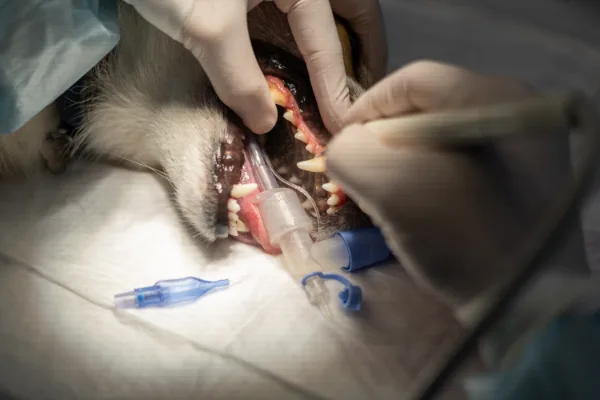
Much of the disease we diagnose cannot be seen by simply lifting your pet’s lip. Some of the most significant changes occur below the gumline, which is why a thorough dental assessment and appropriate dental imaging are so important when planning treatment.
As part of our broader commitment to advanced veterinary care, we take a thorough approach to assessing oral health and understanding how dental disease may be affecting your pet.
Where additional investigation is needed, our wider diagnostic capabilities can help provide a more complete understanding of your pet’s health. Just as importantly, we take the time to explain our findings clearly and discuss practical options that suit both your pet and your circumstances.
There is no single dental care plan that suits every dog or cat.
At True Companion Vets, recommendations are based on your pet’s individual needs. We believe good veterinary care combines clinical knowledge with practical communication, helping you understand your options without feeling pressured.
Whether you have concerns about bad breath, dental disease or your pet’s long-term oral health, our team is here to help.
Explore practical pet care advice, preventative health information and expert insights to help you make informed decisions and support your pet’s health and wellbeing through every stage of life.
Living in an apartment doesn't mean your pet can't enjoy a healthy and fulfilling life. Discover practical tips for exercise, enrichment and creating a pet-friendly home environment.
Dental disease affects most pets at some point in their lives. Learn the signs to watch for, why dental care matters and how you can protect your pet's long-term health.
One of the most common questions I hear from cat owners is, "My cat never goes outside. Do they still need vaccinations and regular check-ups?" It's an understandable question.
Every pet has their own story, and every health journey is different. Here, we share some of our real patient stories, from unexpected diagnoses and hidden health problems to successful recoveries and life-changing treatments.


I came to have my dog spayed and it was very reassuring to have the whole process explained to me, as it’s my first time having pets and I was quite nervous. They also explained what steps to take at home to make the recovery as comfortable and pleasant as possible for my pet. I felt very calm with the care they gave my fur baby.
My cat Luna always very scared at vet. Doctor and nurse very gentle and give her time to calm down. My English not very good, but doctor explain everything slowly and make sure I understand. I feel much less worried. Thank you!
My dog had been itchy for quite some time, chewing on his paws and having some irritated skin. We went to the vet, and they explained that there could be several causes, from environmental allergies to dietary issues or other skin conditions. They offered us different options to investigate the cause while we monitored the symptoms. We started the recommended treatment and some at-home care measures. I especially appreciated that they looked for the underlying cause and didn’t just try to temporarily relieve the itching, as I had given up trying unnecessarily numerous products that didn’t help. Thanks to them, we finally identified the real problem.
My dog started shaking his head a lot and scratching one of his ears. He also had crusty skin inside his ear. At the vet clinic, they examined his ear and explained that he had otitis. They offered to clean it and use the specific treatment for the infection, also explaining that it was important to monitor his progress to prevent it from becoming a recurring problem. They also explained how to properly clean his ear and what symptoms should prompt me to return for a follow-up appointment. The treatment worked very well, and he stopped bothering himself within a few days.
I took my cat to the vet because he’d been trying to urinate for hours and couldn’t. At the clinic, they told us he had an obstruction and would first try to fix it with a catheter, but it wasn’t enough and he was obstructed again a few weeks later. They finally had to operate to prevent the problem from recurring. He was hospitalised for a few days, and then they gave us medication and feeding guidelines. We were quite upset that we hadn’t realised his condition sooner, but the operation went well, and now he’s perfectly fine. The staff was very kind and reassured us by letting us know that this problem is more common in cats than it seems and that we shouldn’t feel guilty. We’re very happy with the outcome of the treatment and the care they gave my cat throughout the entire process.
The vet showed us Coco’s dental images and explained exactly which teeth were causing the problem. We received updates throughout the day and clear instructions when we took her home.
Many signs of dental disease develop gradually and can be easy to overlook. Bad breath, inflamed gums, visible tartar build-up, and changes in eating habits are among the more common reasons owners seek a dental assessment.
Occasional mild odour can occur, but persistent bad breath is often one of the earliest signs of dental disease. A dental examination can help determine whether an underlying issue is affecting your pet’s oral health.
Dental disease is one of the most common health conditions seen in dogs and cats. Because it often develops slowly, many pets show few obvious signs until the disease has progressed.
A dental assessment involves examining your pet’s teeth, gums and overall oral health. We look for signs of dental disease, inflammation, infection and other issues that may be affecting comfort or well-being. If concerns are identified, we will explain our findings, discuss potential treatment options and help you understand the most appropriate next steps for your pet.
Yes. Dental disease can cause ongoing inflammation, infection and discomfort within the mouth. As the condition progresses, it may affect your pet’s ability to eat comfortably, impact their quality of life and contribute to more widespread health concerns if left untreated.
Dental health should be assessed regularly as part of your pet’s routine healthcare. This allows changes to be identified early and helps guide appropriate preventative care and treatment recommendations.
Whether you’re looking for a new veterinarian, need to book an appointment or have a question about your pet’s health, we’d love to hear from you.


Independent Veterinary Care | Weekend Appointments | Advanced Diagnostics | Personalised Treatment Plans
Contact Info