
Dental disease is something I encounter often in both dogs and cats, but it tends to develop quietly. Many pets keep eating, playing and acting like themselves, even when they are living with dental pain.
The signs can be subtle, so it’s understandable to think everything is fine. Often, by the time we notice bad breath, loose teeth or changes in eating, dental disease has already progressed further than we realise.
The good news is that with regular dental care and routine health checks, we can make a real difference to your pet’s comfort, health and quality of life.
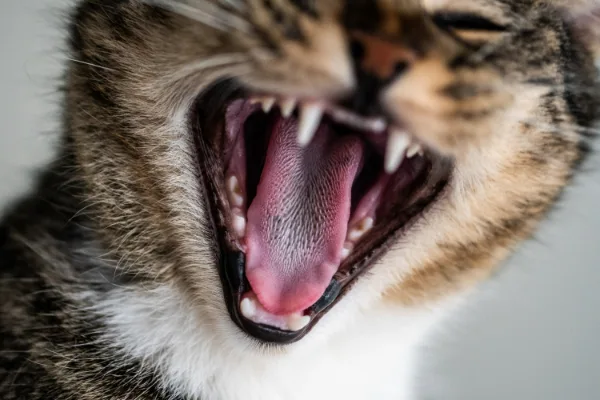
Why Dental Health Matters
Your pet relies on their mouth every day to eat, play, carry toys and explore their world. Keeping their teeth and gums healthy helps them enjoy all of these things comfortably.
Dental disease often starts with plaque building up on the teeth. Over time, this hardens into tartar, allowing bacteria to accumulate around the gums. As inflammation progresses, infection can set in, damaging the gums, the tissues that support the teeth, and eventually the teeth themselves.
This is more than just a cosmetic issue. Dental disease can be painful and, if left untreated, may affect your pet’s overall well-being.
The Signs Can Be Easy To Miss
One of the biggest challenges with dental disease is that many pets are very good at hiding discomfort.
Sometimes, the only thing we notice is bad breath, but there are often other signs that are worth paying attention to. These can include red or bleeding gums, yellow or brown tartar, dropping food while eating, chewing on one side of the mouth, reluctance to chew hard treats, pawing at the mouth, or losing interest in toys they once enjoyed.
Sometimes, the only change we see is a gradual shift in behaviour. A pet who seems quieter than usual or less enthusiastic about eating may simply be adapting to ongoing discomfort.
Can I Prevent Dental Disease?
While we can’t always prevent dental disease entirely, there are many ways to slow its progression and help keep your pet comfortable.
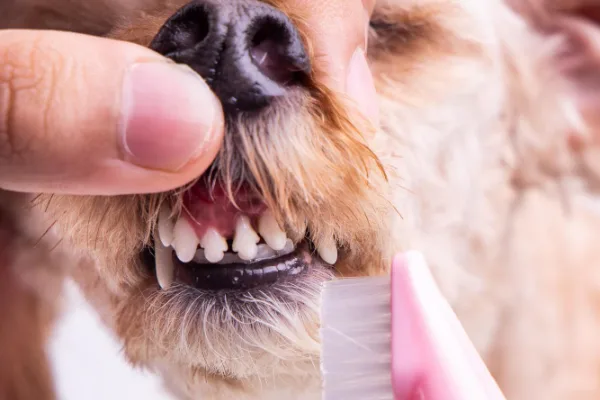
Regular tooth brushing is one of the most effective things you can do at home. If you start brushing when your pet is young, it often becomes part of their routine, but older pets can learn too with a little patience and encouragement.
Dental diets, dental treats and approved dental products can also help reduce plaque in some pets. Because every animal is different, I like to recommend options that suit their age, lifestyle and temperament, rather than using a one-size-fits-all approach.
Why Home Checks Aren't Enough
Many owners lift their pet’s lip and see teeth that look fairly clean. Unfortunately, that doesn’t always tell the whole story.
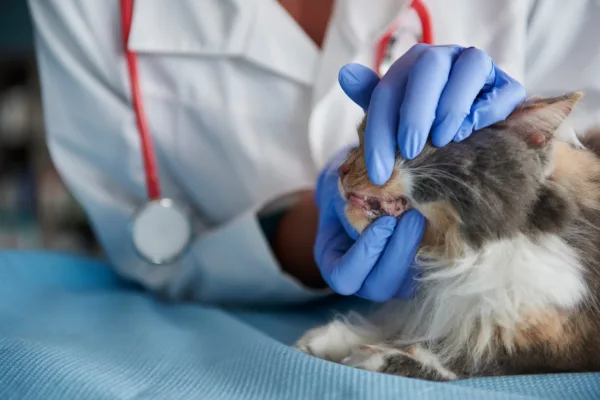
Much of the dental disease I find develops below the gumline, where it can’t be seen during a quick check at home. During your pet’s health examination, I assess their mouth as part of their overall wellbeing and can identify changes that may need further investigation.
If I need a closer look, modern diagnostic tools such as dental imaging can help me better understand what’s happening beneath the surface and plan the most appropriate treatment for your pet. Having access to advanced diagnostic equipment means I can make more informed decisions while keeping your pet’s care close to home.
If I have any concerns, I’ll explain what I’ve found, clearly discuss your options, and help you decide on the next steps that are right for your pet.
What Happens During A Professional Dental Procedure?
If your pet needs dental treatment, I start with a thorough assessment.
A professional dental procedure lets me examine each tooth carefully and clean above and below the gumline. If I find any diseased teeth, I base my treatment recommendations on what I see and your pet’s individual needs.
My goal is always to keep your pet comfortable and maintain their oral health, while making sure you understand what’s happening and why at every step.
Looking After Your Pet's Teeth For Life
Dental care is not just something to consider when your pet develops bad breath or stops eating. Like vaccinations and routine health checks, it’s an important part of preventative care throughout their life.
Regular examinations help me keep track of changes over time and catch problems before they become more serious. Because every pet is unique, I tailor my recommendations to their age, lifestyle and oral health, rather than following the same plan for everyone.
If you’ve noticed changes in your pet’s breath, eating habits or behaviour, or if it’s just been a while since their last dental check, I encourage you to book a consultation. Together, we can create a personalised plan to help keep their mouth healthy and comfortable for years to come.
You Might Also Like…
Does My Indoor Cat Still Need Vaccinations, Desexing And Vet Check-Ups?
One of the most common questions I hear from cat owners is, "My cat never goes outside. Do they still need vaccinations and regular check-ups?" It's an understandable question.

Apartment Living With Pets: A Guide To Keeping Dogs And Cats Happy
Living in an apartment doesn't mean your pet can't enjoy a healthy and fulfilling life. Discover practical tips for exercise, enrichment and creating a pet-friendly home environment.
Have Questions? We're Here To Help.
How do I know if my pet has dental disease?
Bad breath is one of the most common signs, but it’s not the only one. Red gums, tartar build-up, difficulty chewing, dropping food or changes in behaviour may also indicate dental disease. Some pets show very few obvious signs until the condition has progressed.
Does bad breath always mean my pet needs dental treatment?
Persistent bad breath is often one of the earliest signs of dental disease and should not be ignored. While other causes are possible, it’s worth having your pet’s mouth examined so any underlying problems can be identified early.
How often should my dog's teeth be checked?
Your dog’s teeth should be assessed during their routine veterinary health checks. The frequency of professional dental treatment varies among individual dogs depending on their age, breed, oral health, and how quickly plaque and tartar form.
How can I tell if my pet has a toothache?
Pets rarely show dental pain in obvious ways. Bad breath, chewing on one side, dropping food, reluctance to chew hard treats, pawing at the mouth or becoming quieter than usual can all be signs that something isn’t right.
Can brushing my pet's teeth prevent dental disease?
Regular tooth brushing is one of the most effective ways to slow plaque build-up and support good oral health. It works best when combined with routine dental examinations, as some problems develop below the gumline where they cannot be seen at home.
When should I book a dental check for my pet?
If you’ve noticed bad breath, changes in eating, visible tartar or behavioural changes, it’s a good idea to arrange an examination. Even if your pet seems comfortable, routine dental assessments are an important part of preventative healthcare throughout life.
Let's Talk About Your Pet
Whether you’re looking for a new veterinarian, need to book an appointment or have a question about your pet’s health, we’d love to hear from you.
Coming Soon


Independent Veterinary Care | Weekend Appointments | Advanced Diagnostics | Personalised Treatment Plans
Contact Info