
I often reassure apartment owners that their pets can live happy, healthy lives. Many dogs and cats thrive in smaller homes, provided their physical, mental and emotional needs are supported. The size of your home is just one factor. Daily routines, enrichment, exercise and preventative care all help your pet feel comfortable and content.
I see every day how dedicated apartment owners are to their pets. Many plan walks, create stimulating indoor spaces and notice even small changes in behaviour. With thoughtful routines and a bit of planning, apartment living can be a positive experience for both dogs and cats.
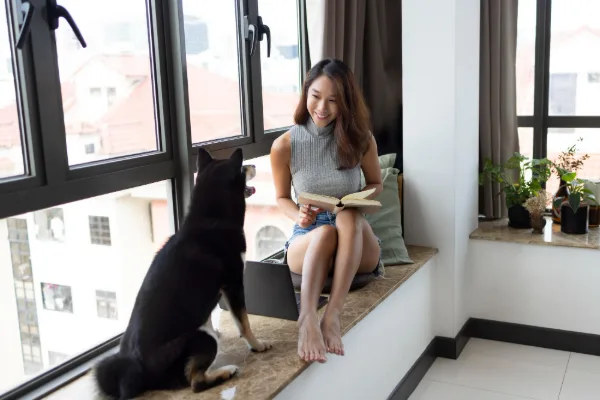
Exercise Looks Different For Every Pet
Exercise does much more than help your pet burn energy. It supports a healthy weight, keeps joints moving comfortably and offers valuable mental stimulation.
Most dogs enjoy regular walks, chances to sniff and explore, and time spent with their owners. Exercise needs vary considerably between breeds and individual dogs, so it’s important to choose a companion whose energy levels suit your lifestyle. Living in a smaller apartment does not mean your dog will be unhappy, as long as their daily needs are met through outdoor activities and positive interaction.
Cats need ways to stay active, too. Climbing furniture, scratching posts, tunnels and interactive toys all encourage natural behaviours and help prevent boredom. Even a few short play sessions each day can make a real difference to your cat’s wellbeing.
Mental Enrichment Matters Just As Much
Physical exercise is just one piece of the puzzle. Mental stimulation is equally important for reducing boredom and encouraging your pet’s natural behaviours.
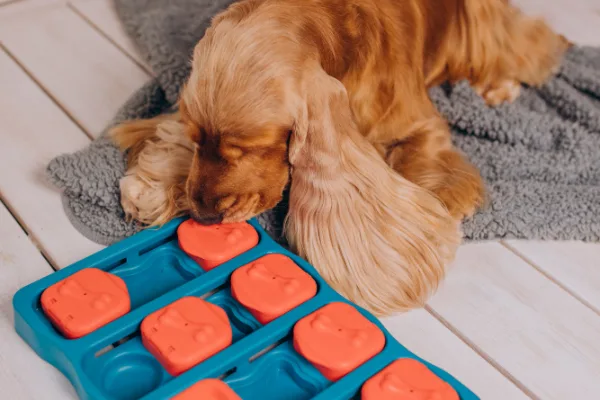
Food puzzles, treat-dispensing toys and short training sessions can help keep your dog engaged indoors. Teaching simple cues or trying new games together also strengthens your bond.
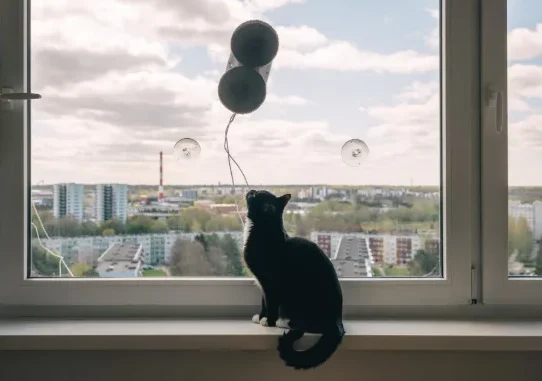
Indoor cats often enjoy window perches, climbing shelves, hiding places and toys that encourage chasing and hunting. Rotating toys every week or two can help keep your cat interested, without needing to buy new ones all the time.
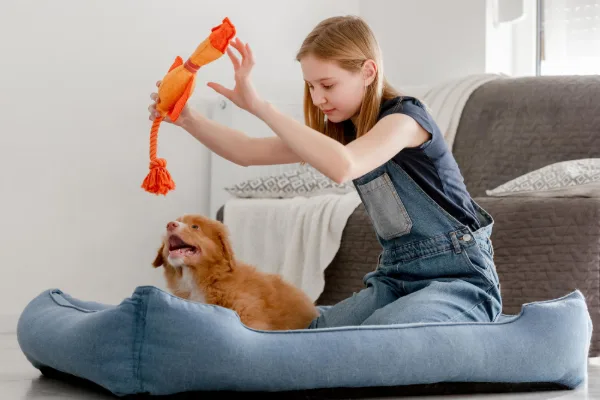
Create A Pet-Friendly Apartment
Simple adjustments around your home can make apartment living safer and more comfortable for your pet.
I recommend making sure your pet has a quiet spot to rest undisturbed. Keep fresh water available at all times and, where possible, provide separate areas for eating, sleeping, and toileting.
If you have cats, secure flyscreens are essential when windows are open. Balconies should only be used if they are properly protected to keep your cat safe.
Dogs appreciate predictable routines too. Knowing when to expect walks, meals, and quiet time helps many dogs feel more settled and relaxed during the day.
Don't Forget Preventative Healthcare
I sometimes hear owners wonder if indoor or apartment pets need less veterinary care. In my experience, regular health checks are just as important for these pets.
Routine examinations help me spot early changes in your pet’s health, often before obvious signs appear. Depending on your pet’s age and lifestyle, this may include vaccinations, parasite prevention, dental checks or senior health assessments.
Preventative care is more than treating disease. It helps you make informed decisions for your pet at every stage of life and supports their long-term wellbeing.
Choosing The Right Pet For Apartment Living
If you’re planning to bring home a new pet, it’s worth thinking beyond appearance or popularity. Different breeds and individual personalities have very different exercise, social and environmental needs.
Before committing, take time to research whether a particular breed is likely to suit apartment living and your lifestyle. If you’re renting or living in a strata complex, it’s also important to understand any pet approval requirements before bringing your new companion home.
Watch For Changes In Behaviour
Pets living in apartments may sometimes show subtle signs that something isn’t quite right.
Reduced interest in play, changes in appetite, destructive behaviour, excessive vocalising or avoiding interaction can all have behavioural or medical causes. I encourage owners not to dismiss these signs as just part of their pet’s personality.
Every pet is unique, so I believe advice should always be tailored to the individual animal, their family and their environment. When you know what is normal for your pet, it becomes much easier to notice when something has changed.
Supporting Your Pet Throughout Life
Apartment living does not stop your pet from enjoying a rich, fulfilling life. What matters most is providing exercise, mental enrichment, preventative care and plenty of positive interaction.
If you’re welcoming a new puppy or kitten, establishing good habits early can make apartment living much easier. Puppy preschool, appropriate socialisation and early training can help your puppy develop confidence and learn how to settle calmly in their new environment.
If your dog or cat is struggling to adjust, becoming anxious, vocalising excessively or showing other behavioural changes, don’t assume it’s simply part of apartment living. Behavioural concerns can have many different causes, and understanding what’s driving them is the first step towards helping your pet feel more comfortable.
Whether you’ve recently welcomed a new companion or simply want reassurance that you’re meeting your pet’s needs, I can provide personalised advice based on their age, breed, lifestyle and behaviour. My aim is to help you leave feeling informed, supported and confident about your pet’s care.
You Might Also Like…
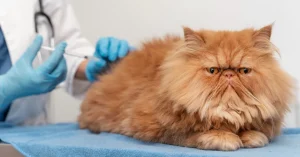
Does My Indoor Cat Still Need Vaccinations, Desexing And Vet Check-Ups?
One of the most common questions I hear from cat owners is, "My cat never goes outside. Do they still need vaccinations and regular check-ups?" It's an understandable question.
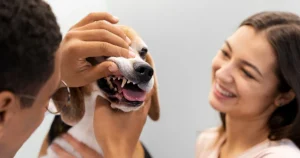
Pet Dental Care Explained: Everything You Need To Know About Your Pet’s Teeth
Dental disease affects most pets at some point in their lives. Learn the signs to watch for, why dental care matters and how you can protect your pet's long-term health.
Have Questions? We're Here To Help.
Is apartment living suitable for dogs and cats?
Yes, many dogs and cats live very happy lives in apartments. Their well-being depends far more on appropriate exercise, enrichment, routine and preventative healthcare than the size of the home itself.
How can I keep my indoor cat mentally stimulated?
Indoor cats benefit from opportunities to climb, scratching posts, puzzle feeders, and interactive play sessions. Rotating toys and providing safe places to observe the outside world can also help prevent boredom.
How much exercise does an apartment dog need?
There is no single answer because exercise requirements vary between individual dogs and breeds. Regular walks, opportunities to explore and daily interaction are important for maintaining both physical and mental health.
Do indoor apartment pets still need vaccinations?
Yes. Even pets that spend most of their time indoors should receive veterinary advice about vaccinations and preventative healthcare. Your pet’s lifestyle, age and risk factors will help determine the most appropriate plan.
Can apartment living cause anxiety in pets?
Some pets may become stressed if they lack exercise, enrichment or predictable routines. Behavioural changes, such as excessive vocalising, destructive behaviour, or withdrawal, should be discussed with a veterinarian, as they may have behavioural or medical causes.
How often should my apartment pet have a health check?
Regular health checks are recommended throughout your pet’s life, even if they appear healthy. These appointments provide an opportunity to monitor their overall well-being, discuss preventative care and identify problems before they become more serious.
Let's Talk About Your Pet
Whether you’re looking for a new veterinarian, need to book an appointment or have a question about your pet’s health, we’d love to hear from you.
Coming Soon


Independent Veterinary Care | Weekend Appointments | Advanced Diagnostics | Personalised Treatment Plans
Contact Info