1/115 Bowden St Meadowbank

Does My Indoor Cat Still Need Vaccinations, Desexing And Vet Check-Ups?

One of the most common questions I hear from cat owners is, “My cat never goes outside. Do they still need vaccinations and regular check-ups?”

It’s an understandable question. If your cat spends their entire life indoors, it can seem like they’re protected from many of the risks outdoor cats face.

In my experience, indoor cats still benefit from preventative healthcare. While living indoors reduces some risks, it doesn’t eliminate them entirely. Many common health conditions can affect cats regardless of whether they ever set foot outside.

For me, routine veterinary care is about supporting your cat’s health at every stage of life, not just treating illness when it appears.

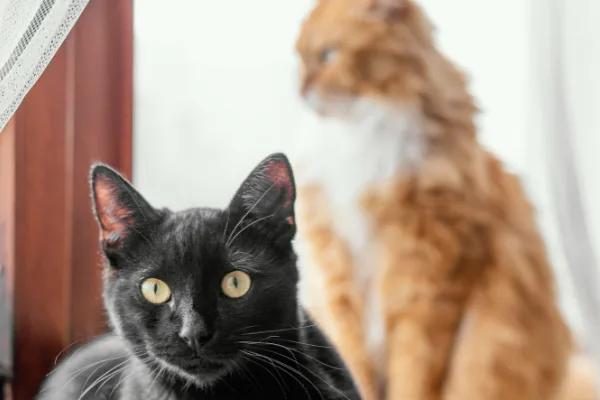
two cats perched on a couch looking out Sydney Olympic Park apartment window

Do Indoor Cats Still Need Vaccinations?

In most cases, yes, they do.

Vaccinations help protect cats against serious infectious diseases. Although indoor cats have less direct contact with other animals, they can still be exposed in ways owners don’t always expect.

A new kitten joining the household, an unexpected escape outdoors, boarding, grooming visits, or contact with contaminated clothing or equipment can all increase the risk of exposure to disease.

The vaccinations your cat needs depend on their age, lifestyle and individual circumstances. I find it’s most helpful to talk through your cat’s situation together and develop a plan that fits their needs, rather than following a one-size-fits-all schedule.

Is Desexing Still Important For Indoor Cats?

Absolutely.

I often hear from owners who wonder if an indoor cat really needs to be desexed, since they aren’t exposed to other cats. The reality is that accidents can happen, and cats are remarkably quick at slipping through open doors or windows.

Desexing also offers benefits beyond preventing unwanted litters. It can reduce the risk of certain reproductive diseases and, depending on your cat, may help with behaviours linked to hormones.

The best timing for desexing can vary, so I recommend we talk about what’s most appropriate for your kitten or adult cat during a consultation.

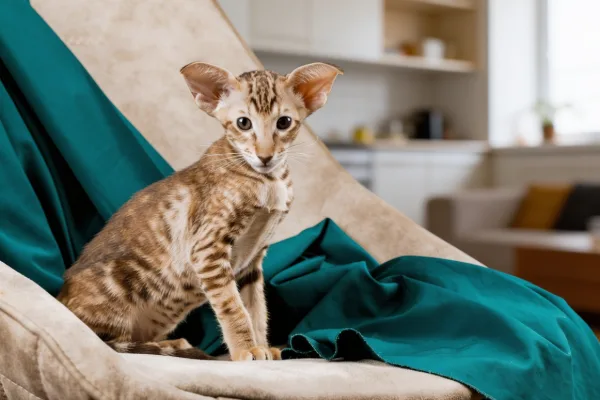
Oriental shorthair cat sits on chair in Wentworth Point apartment

Why Do Indoor Cats Need Regular Vet Check-Ups?

Cats are very good at hiding illness.

By the time obvious symptoms appear, a health problem may already be well established. Routine health checks give me the chance to assess your cat while they still seem healthy and to look for subtle changes that might otherwise go unnoticed.

These appointments are about much more than just vaccinations. They’re a chance for me to monitor your cat’s weight, check their teeth, assess their joints, talk through any behaviour changes, answer your questions and look for early signs of disease.

Keeping a consistent record of your cat’s health over time also makes it much easier for us to notice when something changes.

Preventative Care Changes Throughout Life

The care an indoor kitten needs is very different from that of a senior cat.

Kittens need vaccinations, parasite prevention, nutritional advice, and a conversation about desexing. As cats grow into adults, the focus often shifts to maintaining a healthy weight, dental care, and ongoing preventative care.

Older cats benefit from regular monitoring because conditions like arthritis, kidney disease and other age-related illnesses can develop slowly. Finding these changes early gives us more time to talk about management options and help maintain your cat’s quality of life.

Every stage of life brings different considerations. That’s why I believe preventative care should always be tailored to each individual cat, rather than following the same approach for everyone.

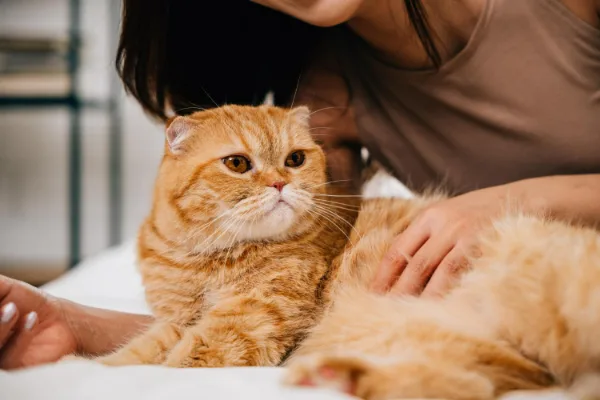
Scottish Fold cat laying on bed in apartment as owner pats them

Indoor Cats Can Still Develop Health Problems

Living indoors does protect cats from many external dangers, but it doesn’t prevent every illness.

Dental disease, obesity, arthritis, digestive problems and many chronic health conditions can affect indoor cats just as they can outdoor cats.

Regular visits give me the chance to get to know your cat over time and understand what’s normal for them. That continuity helps me offer advice that’s truly personalised as their needs change throughout life.

Building A Long-Term Partnership

Preventative care isn’t about unnecessary treatments. For me, it’s about helping you weigh your options and giving your cat the best chance to enjoy a long, healthy life.

At True Companion Vets, my goal is for you to leave every appointment feeling supported, reassured and confident about what comes next. If you’re unsure whether your indoor cat is due for vaccinations, a health check or a conversation about desexing, I encourage you to book an appointment. We can review their lifestyle together, answer your questions and develop a preventative healthcare plan that fits your cat and your family.

Have Questions? We're Here To Help.

Does my indoor cat still need vaccinations every year?

Indoor cats often still need vaccinations, although the schedule depends on their age, health and lifestyle. During your cat’s health check, I can recommend a vaccination plan based on their individual circumstances rather than a one-size-fits-all approach.

Why does my indoor cat need regular vet check-ups?

Routine vet check-ups allow health changes to be identified before they become obvious at home. These visits also provide an opportunity to monitor your cat’s weight, dental health, behaviour and overall wellbeing as they age.

Should I desex my indoor cat if they never go outside?

Yes, desexing is still recommended for most indoor cats. It helps prevent unwanted litters if your cat escapes, and it can also reduce the risk of certain reproductive diseases and hormone-related behaviours.

What health problems can indoor cats develop?

Indoor cats can still develop conditions such as dental disease, obesity, arthritis and kidney disease. Regular preventative healthcare helps monitor these conditions and identify changes as early as possible.

How often should an indoor cat have a health check?

The ideal schedule depends on your cat’s age, medical history and lifestyle. Many healthy adult cats benefit from routine health checks, while kittens and senior cats often require more frequent assessments.

Do indoor kittens need the same preventative care as outdoor kittens?

Yes. Indoor kittens still require vaccinations, health checks, parasite prevention and discussions about desexing. Establishing preventative healthcare early helps support healthy growth and provides a strong foundation for lifelong wellbeing.

Let's Talk About Your Pet

Whether you’re looking for a new veterinarian, need to book an appointment or have a question about your pet’s health, we’d love to hear from you.


Coming Soon