1/115 Bowden St Meadowbank

Leo’s Urinary Blockage: When Litter Tray Straining Wasn’t Constipation

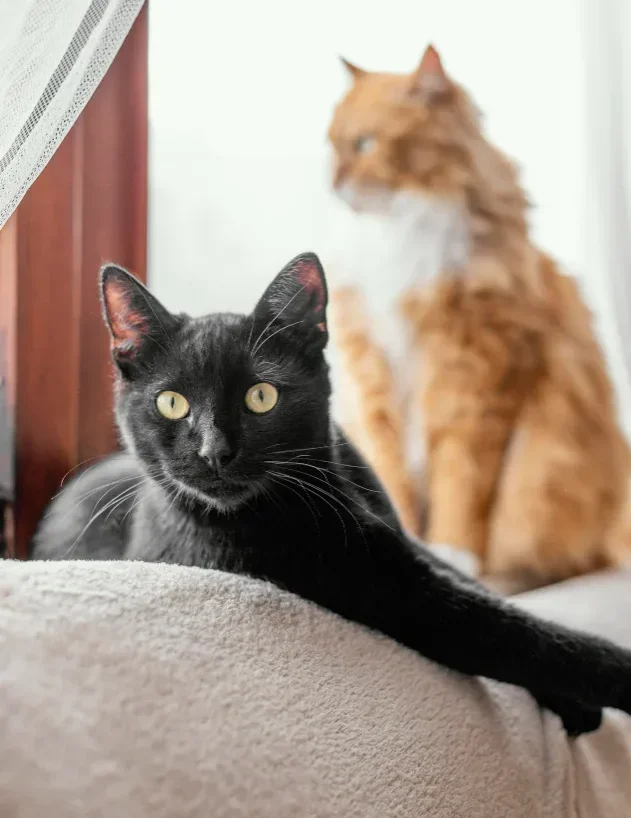
A black cat lying on the back of a sofa with one front leg stretched out, with an out-of-focus fluffy orange and white cat sitting behind it near a window.

Patient Information

Name: Leo
Age: 4 years old
Breed: Domestic Shorthair
Gender: Male (desexed)

Leo’s owner noticed he was making frequent trips to the litter tray and straining, but nothing was happening. At first, it seemed like constipation. He was also licking around his genitals and spending more time hiding than usual.

Leo is a four-year-old, desexed male domestic shorthair who lives indoors. He had never experienced a urinary blockage before.

When Leo’s owner called, the signs raised concern for a possible urinary blockage, so we arranged to see him as soon as possible. Cats who are unable to pass urine need urgent veterinary care, as a blockage can quickly become life-threatening.

Finding A Full, Painful Bladder

During his examination, we found Leo’s bladder was firm, enlarged and painful. He was also dehydrated and seemed uncomfortable when we gently felt his abdomen.

Leo was diagnosed with a urethral obstruction. This means the tube that carries urine from the bladder out of the body is blocked.

His repeated visits to the litter tray were actually attempts to urinate. Recognising this over the phone allowed us to arrange the urgent care he needed without delay.

Checking How The Blockage Was Affecting Leo

Alongside Leo’s examination, we ran blood tests to check his overall health, including kidney function and electrolyte levels. We paid close attention to values like urea, creatinine and potassium, as these can be affected by a urinary blockage.

A urinary blockage can cause changes in potassium that may affect the heart’s rhythm, so we used ECG monitoring to keep a close eye on Leo’s heart during his treatment.

We also tested Leo’s urine to check its concentration and look for any crystals or other changes. Abdominal X-rays helped us look for visible urinary stones.

These tests gave us a clearer picture of Leo’s overall condition, not just his bladder. They also helped us monitor his progress throughout his treatment.

Relieving The Blockage And Supporting His Recovery

We began by providing pain relief and intravenous fluids, carefully adjusting his fluids based on his hydration and how he was responding.

Once Leo was under general anaesthesia, we gently passed a urinary catheter to relieve the blockage and allow his bladder to drain. The catheter remained in place, connected to a closed system so we could closely monitor his urine output.

During his stay in hospital, our nursing team kept a close eye on Leo’s fluid balance, ensured the catheter was functioning, and checked his comfort regularly. They also watched for any changes that might need a vet to reassess him. Pain relief was continued throughout his care.

As Leo’s hydration and comfort improved, we were able to remove the catheter and watch him pass urine on his own again.

This was an important milestone in his recovery. Once Leo was ready, we sent him home with pain relief and a clear plan for his ongoing care.

Back Home And Passing Urine Again

At home, Leo’s care focused on keeping him well hydrated, managing his litter tray, and watching for any signs of renewed straining.

At his early recheck, Leo’s bladder was small and comfortable. His owner was pleased to report that he was urinating normally, eating well, and interacting more at home.

These changes were just as important as the examination findings. Leo had gone from hiding and making unsuccessful trips to the tray to passing urine and engaging with his family again.

His recovery plan included ongoing monitoring for any returning symptoms, so if Leo started straining again, we could reassess him promptly.

If Your Cat Is Straining Without Passing Urine

If your cat is repeatedly straining and producing little or no urine, and you live in Meadowbank or in neighbouring areas, please call us straight away.

Don’t wait for a routine appointment or assume it’s just constipation. Even if you’re unsure whether your cat is trying to pass urine or something else, it’s safest to seek urgent veterinary advice.

Have Questions? We're Here To Help.

What Are The Signs Of A Urinary Blockage In Cats?

Repeated trips to the litter tray, straining with little or no urine, licking around the genitals, and hiding can all be signs of a urinary blockage. Leo showed these signs before we found his bladder was firm, enlarged and painful. Difficulty passing urine always needs immediate veterinary assessment.

How Can I Tell If My Cat Is Constipated Or Unable To Urinate?

It can be hard to tell at home whether straining in the litter tray means constipation or something more serious. Try to notice if your cat is actually producing urine, but don’t delay seeking help while you try to work it out. Leo’s owner first thought it was constipation, but our phone assessment raised concern for a urinary blockage, which needed urgent examination.

Why Is A Urinary Blockage In Cats An Emergency?

A blockage stops urine from leaving the bladder and can quickly affect kidney function and the body’s fluid and electrolyte balance. Dangerous changes, such as high potassium levels that affect the heart, can develop. Any cat straining and producing little or no urine needs immediate treatment.

What Tests Might A Cat With A Urinary Blockage Need?

Testing may include blood tests to check kidney values and electrolytes, urine analysis, and abdominal X-rays to look for urinary stones. ECG monitoring can help assess heart rhythm. Leo’s assessment included all of these, along with checking his bladder and hydration.

How Do Vets Treat A Urinary Blockage In Cats?

Treatment often involves pain relief, intravenous fluids, and placing a urinary catheter to help the bladder drain. For Leo, the catheter was placed under general anaesthesia and stayed connected to a closed system during his hospital stay. We adjusted his treatment and fluids based on how he was doing.

Why Do Cats Need Hospital Care After A Urinary Blockage?

Hospital care allows us to closely monitor urine output, hydration, catheter drainage, and comfort, and to provide treatment as needed. It also allows us to reassess if anything changes. For Leo, we made sure he was passing urine on his own after the catheter was removed before sending him home.

What Home Care Does A Cat Need After A Urinary Blockage?

Home care follows the discharge plan and may include pain relief, supporting hydration, managing the litter tray, and keeping an eye on urine production. These were the main parts of Leo’s care at home. At his early recheck, we assessed his bladder, and his owner’s observations helped us understand how he was eating, interacting and urinating at home.

Can A Cat Become Blocked Again After Treatment?

Yes, urinary blockages can recur, so any renewed straining requires prompt attention. If your cat is making repeated attempts to urinate with little or no urine, seek immediate veterinary assessment, even after a good recovery. Leo’s home care included watching for any signs of straining returning.

Let's Talk About Your Pet

Whether you’re looking for a new veterinarian, need to book an appointment or have a question about your pet’s health, we’d love to hear from you.


Coming Soon